
Skip to Main Content
Troy MI mold remediation and inspection by MJ White

Remove Mold and Protect Your Troy Property

Thorough Mold Inspection

Every effective remediation project begins with a careful inspection. Our team checks for visible mold, hidden moisture, water damage history, musty odors, and other signs that point to an underlying problem. When conditions call for it, samples may be collected to help identify the presence and type of mold before the scope of work is finalized.

Professional Mold Removal

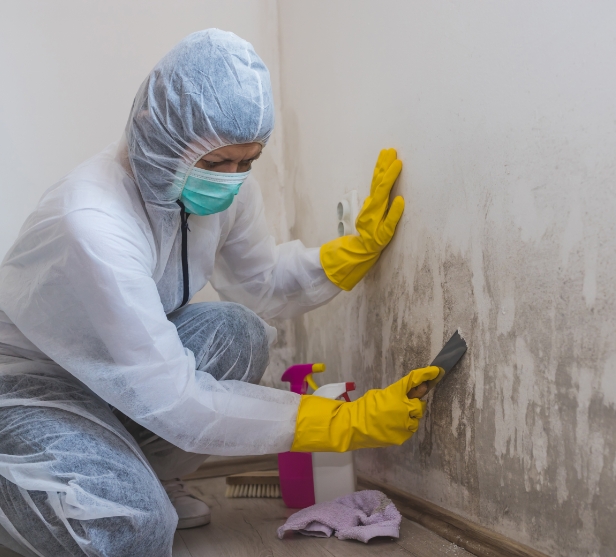
Mold removal goes well beyond wiping down a contaminated surface. We isolate the affected area, remove materials that cannot be safely restored, and clean the remaining surfaces using professional equipment and established restoration methods built on industry standards.

Antimicrobial Treatments

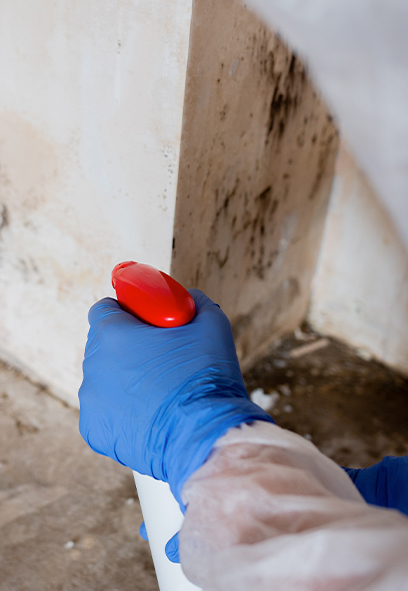
After damaged materials have been removed and the work area has been cleaned, antimicrobial treatments may be applied to appropriate surfaces. These treatments support the remediation process and help address lingering microbial activity on salvageable building materials.

Moisture Control and Prevention

Mold problems generally return when the moisture source is left unresolved. We identify plumbing leaks, roof failures, basement seepage, condensation, drainage issues, high humidity, and other conditions that may lead to recurring growth. Effective moisture control is the foundation of lasting mold prevention in any Troy property.
Why professional mold remediation matters in Troy

Why Professional Mold Remediation Matters

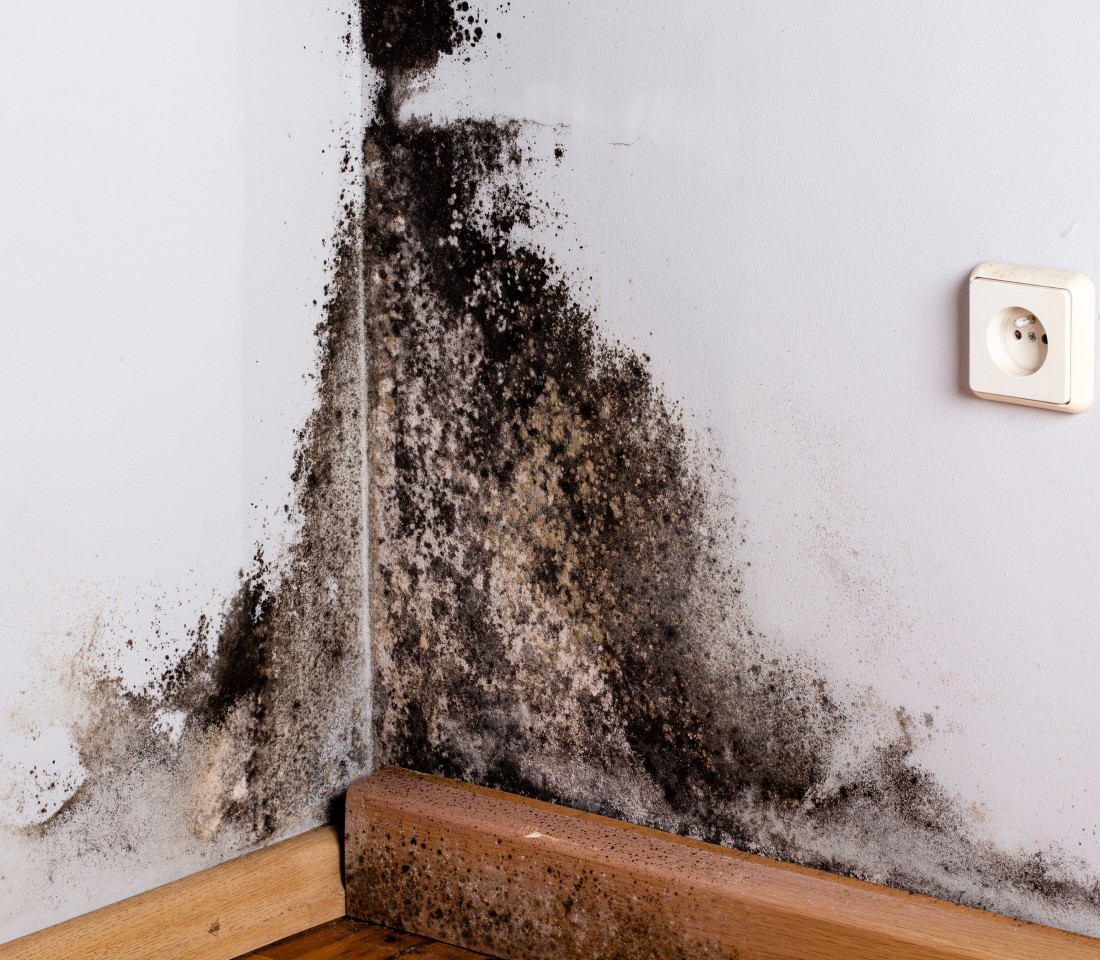
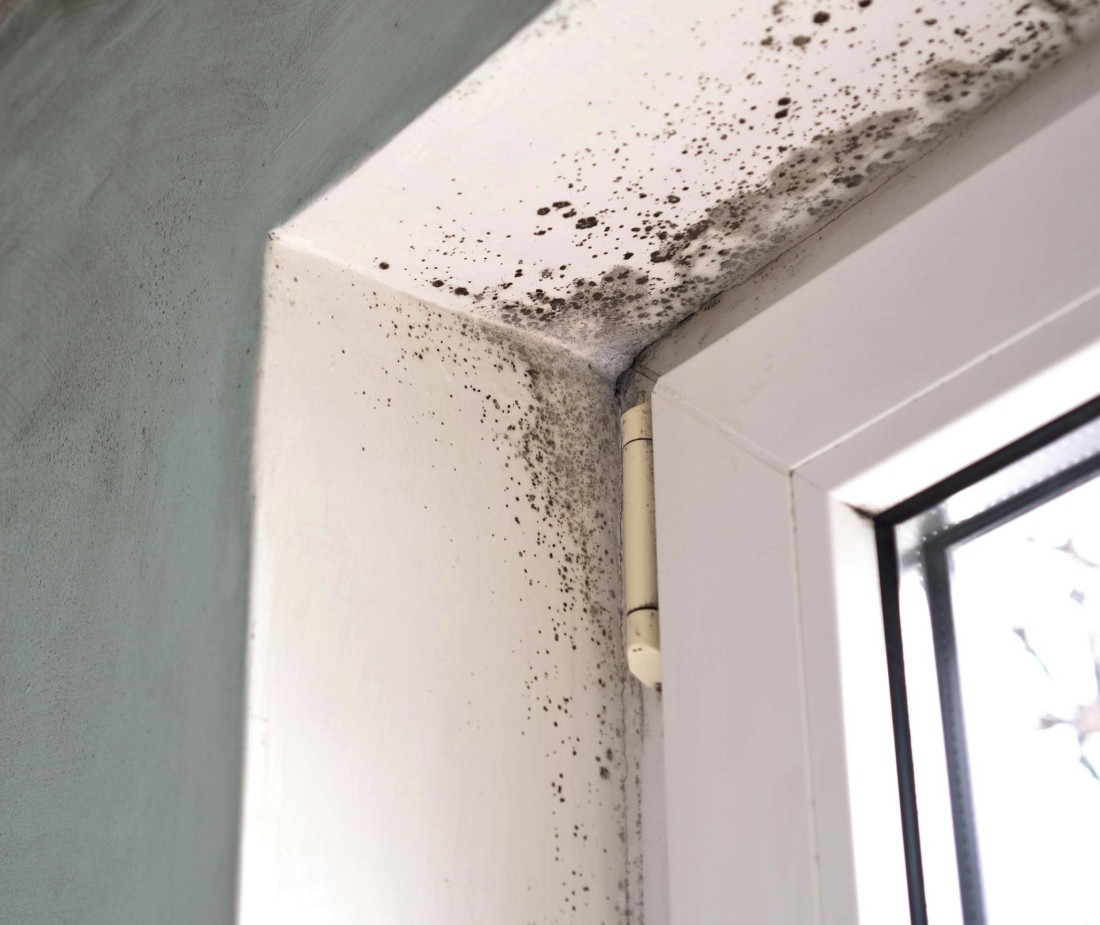
Mold is not a cosmetic problem that can be solved with a coat of paint. Visible spots usually represent a small share of a larger issue sitting behind walls, under flooring, above ceiling assemblies, or inside insulation. Painting over the affected surface does not address the moisture driving the growth, and it does not remove the contaminated materials underneath.

Mold growth may damage drywall, wood framing, flooring, ceiling materials, and personal belongings. As long as the moisture source remains active, the mold continues to spread and restoration costs climb with it. The longer a mold problem is ignored, the broader the eventual scope of work becomes.

Exposure affects people differently. According to information from the EPA, mold can cause allergic reactions and irritation in some individuals, and coughing or wheezing may be an indication of exposure for people with asthma, allergies, or other respiratory sensitivities. The EPA also emphasizes that controlling moisture indoors is the single most important step in controlling mold.

Professional remediation helps contain the affected area, limit the movement of airborne spores, address damaged materials, and correct the conditions that allowed the problem to develop. The goal is to restore a cleaner indoor environment and protect the property from further damage.

Common Causes of Mold in Troy Properties

Mold can develop in almost any home or business when moisture meets organic building materials. Troy sits in a part of Oakland County that combines established residential neighborhoods with a strong base of newer commercial and residential construction, and that mix creates a particular set of risks our team addresses throughout the year. Common sources we encounter include:

  • Burst or frozen pipes during Michigan winter freeze and thaw cycles
  • Basement and lower level flooding from heavy rain events that push storm sewer systems past capacity
  • Builder grade plumbing component failures in newer construction, which often fail without the gradual warning signs older systems show
  • Sewer backups through floor drains and utility connections in established neighborhoods with aging drainage infrastructure
  • Roof leaks and ice dam damage affecting attic, wall, and ceiling assemblies
  • Appliance and water heater failures, including washing machine supply line leaks
  • Poorly ventilated bathrooms, laundry rooms, and basements
  • Condensation around windows, pipes, and HVAC ductwork
  • High indoor humidity during Michigan's humid summer months
  • Incomplete structural drying after a previous water loss
  • Crawl space moisture that saturates insulation and floor framing above
  • HVAC condensate line blockages and frozen evaporator coils

Troy properties face moisture risk in every season. Spring rain exposes foundation vulnerabilities, summer humidity keeps basements and crawl spaces damp, and winter brings frozen pipes and ice related failures that create hidden water damage behind finished surfaces. Finished basements are especially common in Troy, and those finished surfaces often conceal moisture problems long before they become visible at the drywall or baseboard. Newer homes face their own risks, since the settling period after construction can produce minor foundation cracks and plumbing stress points that create water intrusion pathways over time.

Fast water extraction, structural drying, and moisture control reduce the likelihood of mold growth after any water event. If water damage has already occurred, contacting a restoration professional quickly helps limit the affected area and the overall cost of recovery.
Signs you may need a mold inspection in Troy MI

Signs You May Need a Mold Inspection

Mold is sometimes easy to recognize, but it also develops in concealed areas where only a trained eye and the right equipment will find it. Contacting a professional for an inspection is important if you notice any of the following in your Troy home or business:

  • Black, green, white, or gray growth on walls, ceilings, or building materials
  • A musty or earthy odor that lingers in a basement, closet, or room
  • Stains, discoloration, or water marks on walls and ceilings
  • Peeling, bubbling, or cracking paint
  • Warped flooring, soft drywall, or deteriorating trim
  • Persistent condensation around windows, pipes, or ductwork
  • Damp areas in basements or crawl spaces that do not dry out
  • Recent flooding, sewer backup, or plumbing failure
  • Unexplained coughing, wheezing, or irritation that appears worse inside the property
  • Mold that keeps returning after repeated cleaning

A visual walkthrough can confirm an obvious problem, but it cannot always determine what is happening inside wall cavities, under finished basement flooring, or above a ceiling. Moisture meters, thermal imaging, air filtration equipment, and other professional tools give our team a more complete picture of the property.

Not every situation calls for the same type of mold test. Testing may be useful when growth is hidden, when the source of an odor is unclear, or when documentation is required for a specific project. Our team can discuss whether testing is appropriate based on what we find during the inspection.

Our Troy Mold Remediation Process

Every property is different, so MJ White builds a custom remediation plan around the type of building, the source of moisture, and the extent of the damage. Each phase of the process is designed to produce a confirmed outcome before the next phase begins.

1. Inspection and Assessment

We inspect the affected area and discuss any recent leaks, flooding, humidity issues, or water damage history. Our team evaluates nearby materials, documents moisture levels with professional meters, and determines whether additional testing is needed before developing the scope of work.

2. Identify the Moisture Source

Successful remediation depends on stopping the source of moisture. We look for plumbing leaks, drainage problems, foundation seepage, condensation, ventilation issues, or building system failures that allowed mold to develop in the first place.

3. Establish Containment

Containment limits the spread of mold spores and debris during removal. The exact containment approach is based on the size, location, and severity of the affected area, and it protects unaffected parts of the property throughout the work.

4. Air Filtration

HEPA filtered air scrubbers and other professional equipment capture airborne particles while work is performed. This step helps manage air quality and prevents disturbed material from migrating into unaffected areas.

5. Remove and Treat Affected Materials

Porous materials with severe contamination are removed. Surfaces that can be restored are cleaned with professional methods, HEPA vacuuming, and antimicrobial treatments suited to the material and the conditions present. Every item is evaluated individually.

6. Drying and Moisture Control

The affected area must be dried thoroughly. We monitor moisture levels in walls, floors, ceilings, and structural materials to confirm that damp conditions have been resolved before any reconstruction begins.

7. Restoration

Once remediation is complete, damaged areas often need repairs. As a full service restoration and renovation company, MJ White coordinates the drywall, flooring, trim, ceiling, and paint work needed to return your Troy property to its pre loss condition.
Residential Mold Remediation in Troy

Mold can affect any home, from a single family residence in one of Troy's established neighborhoods to a newer construction home or a rental property. It is most commonly found in finished and unfinished basements, bathrooms, kitchens, attics, crawl spaces, laundry areas, and rooms affected by a recent water loss.

Our residential services address the mold problem and the conditions that caused it. We inspect the home, establish containment, remove damaged materials, clean affected surfaces, and put moisture control measures in place. When reconstruction is required, our team can also repair damaged walls, floors, ceiling materials, and other areas of the home.

We understand that mold remediation disrupts daily life. Our team explains the process, answers questions along the way, and works carefully to restore your living environment.

Commercial Mold Remediation for Troy Businesses

Commercial mold problems can interrupt operations, affect employees or tenants, and damage valuable building materials. Troy's strong commercial corridor means a range of property types, and MJ White provides mold remediation for offices, retail properties, apartment buildings, industrial facilities, schools, and other commercial spaces.

Our team evaluates the property, develops a defined scope of work, and coordinates the remediation process around the needs of your business. Where possible, containment keeps disruption limited to the affected area so your operation can continue.

We also understand the documentation requirements that come with commercial restoration. Our team can provide clear information about the damage found, the work performed, and the conditions documented on site for property managers, insurance providers, and other stakeholders.

Mold remediation costs and insurance coverage in Troy MI

Mold Remediation Costs and Insurance Coverage

Mold remediation costs depend on a number of factors, including:

  • The size of the affected area
  • The type of building materials involved
  • Whether mold is hidden behind walls, under flooring, or inside insulation
  • The amount of water damage present
  • The containment and air filtration required
  • Whether materials can be treated or must be removed
  • The reconstruction needed after remediation

Insurance coverage varies by policy and by the cause of the moisture. For example, mold attributed to a sudden plumbing failure may be treated differently from mold caused by long term seepage, deferred maintenance, or an ongoing humidity issue.

Before filing an insurance claim, review the terms of your policy and contact your insurance provider to discuss available coverage. MJ White can document the damage, provide inspection findings and moisture records, and assist with the restoration information needed during the claim process. The insurance company makes the final coverage decision.

Why Troy Property Owners Choose MJ White

More than 45 years of experience

More Than 45 Years of Experience

MJ White has provided residential and commercial restoration services since 1979. Our team is familiar with water damage, mold problems, and the complex repairs that often follow a Michigan property loss.

IICRC certified firm

IICRC Certified Firm

MJ White is an IICRC Certified Firm, and our team follows established industry standards for inspection, cleaning, water damage restoration, and mold remediation.

Available 24/7

Available 24/7

Water and mold problems do not keep business hours. Our team is available around the clock to respond when your Troy property needs professional attention.

Complete restoration services

Complete Restoration Services

Our capabilities extend beyond mold removal. We can address water damage, structural drying, contents storage, damaged building materials, and the repairs required to fully restore your property.

Clear communication throughout the project

Clear Communication

We explain the problem, the recommended process, estimated costs, and the restoration scope before any work begins. You receive updates throughout the project and have an opportunity to discuss questions or concerns at every step.

Local Oakland County expertise

Local Oakland County Expertise

Our Novi office keeps us close to Troy, which means faster response during emergencies and a team that understands the housing stock, soil conditions, and moisture risks specific to this corner of Oakland County.

Preventing future mold growth in Troy MI homes

How to Help Prevent Future Mold Growth

Prevention begins with moisture control. After remediation, Troy property owners can reduce the likelihood of future mold problems by taking several practical steps:

  • Repair plumbing and roof leaks as soon as they appear
  • Dry water damage as quickly as possible, ideally within the first 24 to 48 hours
  • Keep gutters and downspouts clear, especially before heavy rain or snow
  • Direct water away from the foundation using properly graded landscaping
  • Test your sump pump and consider a battery backup for power outages
  • Use bathroom and kitchen exhaust fans every time they are needed
  • Maintain indoor humidity in a reasonable range, particularly in finished basements
  • Check basements, crawl spaces, and utility rooms regularly for damp conditions
  • Inspect around appliances, water heaters, and washing machine supply lines
  • Monitor walls and ceilings for stains, discoloration, or soft spots
  • Keep HVAC equipment serviced and condensate lines clear
  • Avoid covering water damage with paint before the source has been corrected

Checking moisture prone areas on a regular basis helps you catch a small problem before it becomes a severe one. If mold appears or a musty odor returns, contact a remediation professional to determine the cause before the issue spreads.

Troy Mold Remediation FAQs

  • What are the most common signs of a mold problem in a Troy home?

    Common signs include visible gray, black, green, or white growth, musty odors, peeling paint, stained walls or ceilings, warped flooring, and persistent moisture. Coughing, wheezing, or irritation that appears worse in a particular area of the home may also indicate that further investigation is needed.

    Because mold can grow behind walls, inside basement finishes, or above ceilings, schedule a professional mold inspection when the problem is not visible but water damage or an unexplained odor is present.

  • Does newer construction in Troy really get mold?

    It can, and in ways that sometimes surprise property owners who assume newer homes are immune. Builder grade plumbing components, supply lines, and appliance connections in newer construction can fail without the warning signs older infrastructure tends to show. Newer homes also frequently feature finished basements, and new construction goes through a settling period during which minor foundation cracks can create water intrusion pathways that were not present at the time of purchase.

    Any home that experiences moisture, regardless of age, can develop mold if the source is not addressed quickly.

  • Why are finished basements in Troy especially vulnerable to mold?

    Finished basements present a specific challenge because the finished surfaces conceal the structural materials behind them. Without professional detection equipment, it is difficult to assess the true extent of moisture penetration. Household fans and dehumidifiers cannot reach moisture trapped inside wall cavities or beneath flooring.

    If you discover water damage or suspect mold in a finished basement, schedule a professional moisture assessment before making decisions about what to remove and what to attempt to save.

  • How does a crawl space affect mold risk in a Troy home?

    Crawl spaces are among the most vulnerable areas in a home for moisture accumulation. They are often poorly ventilated, infrequently inspected, and in direct contact with ground level moisture. Water that enters a crawl space can saturate insulation and the wood framing supporting the floor system above, creating structural damage and mold conditions that affect the entire home before any visible sign appears in the living spaces.

    A professional inspection of the crawl space is worthwhile anytime you notice musty odors or elevated humidity in the rooms above.

  • How long does the mold remediation process take?

    The timeline depends on the extent of the contamination, the materials affected, and the amount of water damage involved. A limited area generally takes less time than mold that has spread across multiple rooms or into wall cavities. Drying time and reconstruction also influence the overall schedule.

    After the inspection, MJ White explains the expected process and timeline for your Troy property.

  • Can I remove mold with bleach or paint over it?

    Household cleaning products and paint generally do not correct the source of a mold problem. Mold can grow inside porous materials, and disturbing it without proper containment may spread spores into other parts of the property.

    Professional mold removal addresses affected materials, airborne particles, and the underlying moisture. If a wall or ceiling needs new paint, that work should happen only after the area has been properly remediated, dried, and cleared.

  • Does homeowners insurance cover mold remediation?

    Coverage depends on your insurance policy and the event that caused the mold. Some policies may cover mold resulting from a sudden covered water loss, while mold attributed to long term leaks, maintenance issues, flooding, or ongoing humidity may be excluded or carry limited benefits.

    Review your policy, document the affected area, and contact your insurance provider before filing a claim. MJ White can assist with damage documentation and communicate with your provider during the restoration process.

  • How quickly can MJ White respond to a mold emergency in Troy?

    Our team is available 24 hours a day, 7 days a week. Our Novi office keeps us close to Troy, which allows us to respond quickly when a water loss, sewer backup, or hidden mold problem requires immediate attention.

    Fast response matters. Containing moisture and addressing damaged materials early helps limit the affected area and reduce overall restoration costs.

Take Action Against Mold Today

If mold or water damage is affecting your Troy home or business, do not wait for the problem to spread. MJ White can inspect the property, identify the moisture source, contain the affected area, remove damaged materials, apply appropriate treatments, and complete the restoration that follows.

Contact us today to schedule an inspection and begin restoring your property and your peace of mind.