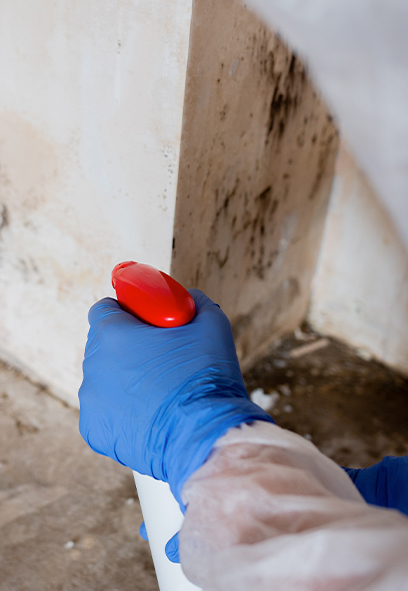
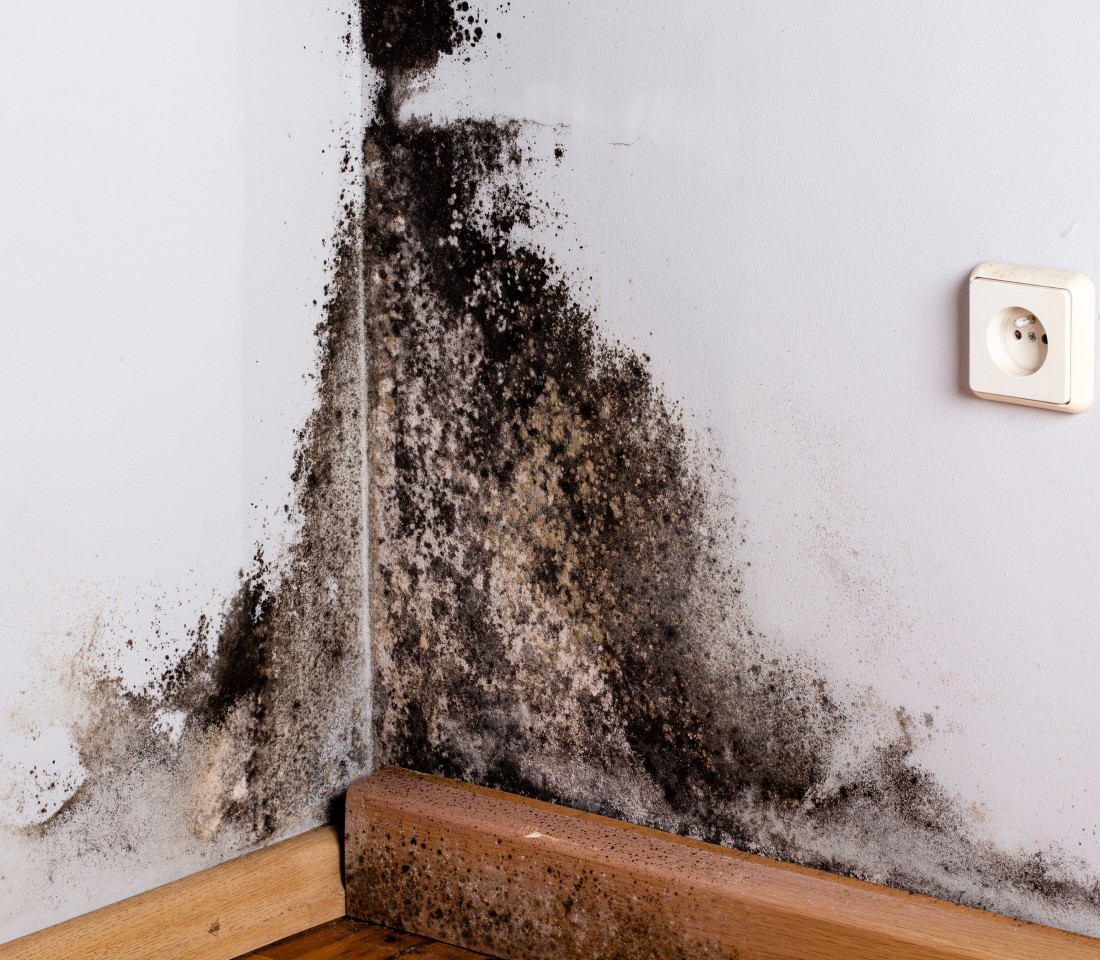
Professional Mold Inspection and Removal in Westland
A mold problem is not always limited to what appears on the surface. Visible growth may be only one indication that moisture has spread into drywall, insulation, flooring, or structural materials. Painting over mold or cleaning the surface with household products generally does not correct the underlying problem.
Our mold inspection process is designed to determine:
- Where mold is present
- How far the contamination may have spread
- What type of moisture problem caused the growth
- Which walls, floors, ceilings, or contents have been affected
- Whether containment is required
- Which materials can be treated and which may need removal
- What moisture control measures can help prevent the problem from returning
After the inspection, our team develops a remediation plan based on the condition of the property and the extent of the damage. Every situation is different, so the required process and costs depend on the affected area, the materials involved, and whether an active water source is still present.
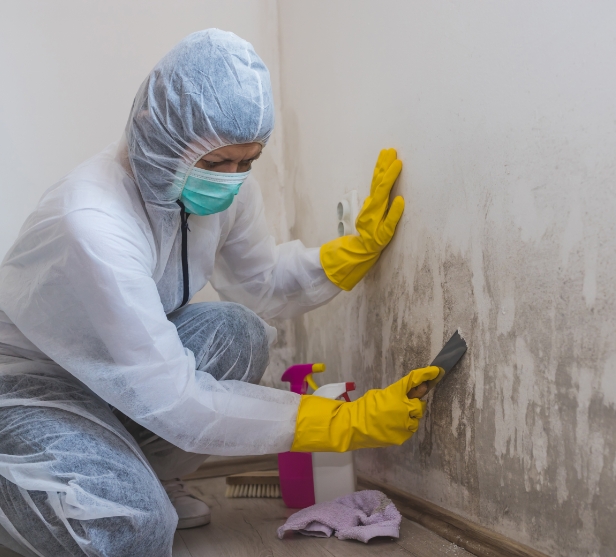
Signs You May Have a Mold Problem
Mold can be present even when there is no obvious patch on a wall or ceiling. In many cases, the first signs are a persistent musty odor or indications of water damage.
Contact MJ White for an inspection if you notice:
- Visible black, gray, green, white, or discolored growth
- A damp or musty odor that returns after cleaning
- Water stains on walls or ceiling materials
- Peeling or bubbling paint
- Soft drywall or warped floors
- Condensation around windows or HVAC components
- Previous flooding, roof leaks, or plumbing failure
- Unexplained moisture in a basement, bathroom, attic, or crawl space
- Mold that appears again after surface cleaning
Some people report coughing, wheezing, congestion, eye irritation, or other symptoms when mold is present. Reactions vary, and these symptoms may have many causes. However, visible mold, persistent odors, or a history of water intrusion are important reasons to have the property checked by a qualified professional.
Our Mold Remediation Process
Successful mold removal requires more than treating the visible surface. The goal is to control moisture, stop the spread of contamination, remove affected materials when necessary, and return the area to a safe, usable condition.
1. Mold Inspection and Moisture Assessment
We begin by inspecting the property for visible growth, water damage, and hidden moisture. Moisture meters and other professional tools may be used to check walls, floors, ceiling materials, and adjoining rooms.
This assessment helps us determine the source of the problem and define the appropriate scope of work. Mold testing may be recommended in certain situations, but not every visible mold problem requires the same type of test.
2. Source Identification and Moisture Control
Mold problems will often return if the underlying source of moisture is not corrected. Common causes include leaking pipes, roof damage, appliance failures, foundation seepage, poor ventilation, and incomplete drying after water damage.
Our team identifies the source whenever possible and incorporates moisture control into the restoration plan. Depending on the situation, this may involve structural drying, dehumidification, water extraction, improved ventilation, or repairs to damaged building materials.
3. Containment of the Affected Area
Containment helps keep mold spores and contaminated dust from spreading into unaffected spaces during removal. The type and size of containment are based on the affected area and the extent of the mold growth.
We may use physical barriers, negative air pressure, and controlled entry procedures to isolate the work area. This is especially important when mold is present behind walls, beneath flooring, or within materials that must be removed.
4. Air Filtration and Mold Removal
Professional air filtration equipment can help capture airborne particles during the remediation process. Our technicians use appropriate cleaning and removal methods based on the type of material and the level of contamination.
Some hard surfaces may be cleaned and treated. Porous materials with significant contamination, such as drywall, insulation, carpet padding, or certain ceiling materials, may need to be carefully removed and disposed of.
5. Antimicrobial Treatments
After affected materials have been removed or cleaned, professional antimicrobial treatments may be applied to appropriate surfaces. These treatments support the cleaning process and help address remaining microbial contamination.
Antimicrobial products are only one part of effective remediation. Moisture control, containment, detailed cleaning, and proper drying all play an important role in achieving lasting results.
6. Drying and Moisture Monitoring
The affected space must be thoroughly dried before repairs begin. Industrial air movers and dehumidifiers may be used to remove moisture from the air and building materials.
Our team monitors moisture levels throughout the drying process. This step helps reduce the chance of mold growth returning beneath new flooring, behind repaired walls, or above a restored ceiling.
7. Restoration and Repairs
MJ White is a full service restoration contractor. Once the mold has been remediated and the area is dry, our team can repair damaged walls, floors, ceilings, trim, paint, and other building components.
Instead of leaving you to coordinate a separate group of contractors, we can manage the process from initial inspection through final restoration.
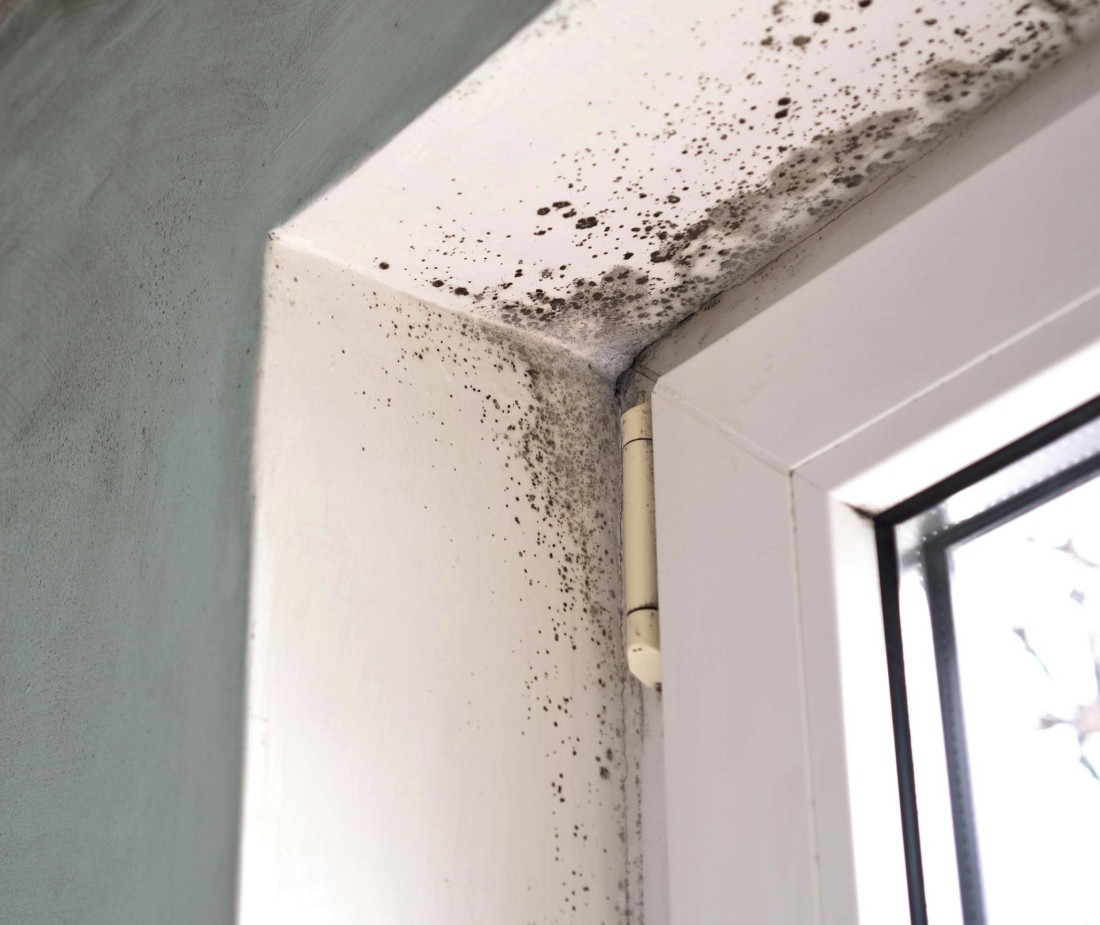
Mold Caused by Water Damage
Water damage is one of the most common causes of mold problems. A burst pipe, leaking appliance, sewer backup, roof leak, or flooded basement can introduce enough moisture for mold growth to begin.
Even when visible water has been removed, moisture may remain trapped inside walls, beneath floors, or within ceiling cavities. A surface may appear dry while the materials behind it are still damp. This is why professional drying and moisture monitoring are important after water damage.
Fast action can help:
- Limit the spread of water damage
- Reduce moisture absorbed by porous materials
- Protect walls, floors, and structural components
- Lower the risk of secondary mold growth
- Reduce the extent and costs of restoration
- Preserve more of the original property
If your Westland property recently experienced water damage, do not wait for visible mold to appear. Early inspection, water extraction, and moisture control can help prevent a limited water problem from becoming a significant remediation project.