
What Our Water Damage Restoration Services in Westland Cover
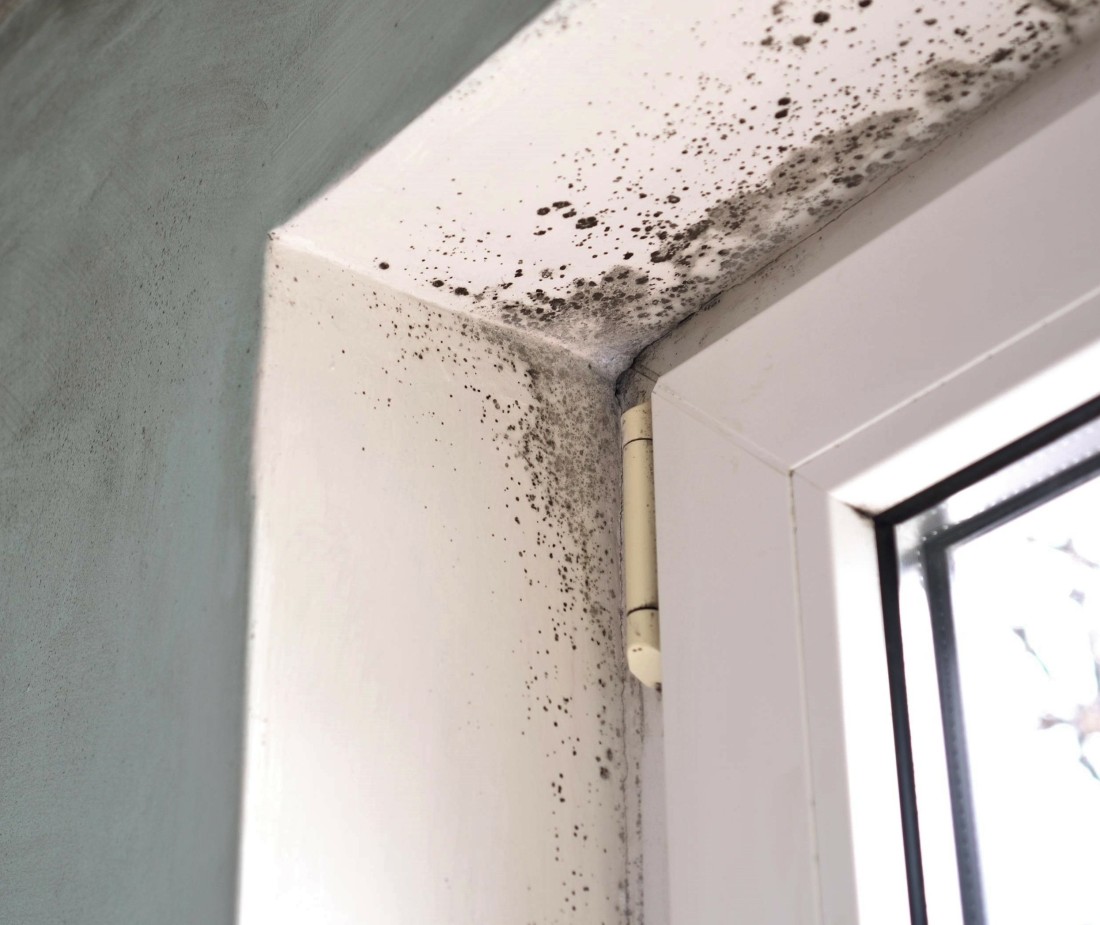
Water damage looks different on the surface than it does inside your walls, and the version inside your walls is always the one that matters more. Water moves through floor systems, travels along framing, saturates insulation, and accumulates in spaces that give no outward indication of a problem until mold appears, floors begin to buckle, or odors make it impossible to ignore any longer. At that point, what could have been a manageable restoration has turned into something significantly more involved.
Our process is built around finding the full extent of the damage before we start drying, not after. Professional moisture detection equipment maps where water has traveled throughout your property so our restoration plan addresses everything, not just the parts that are obvious at first glance.
What that covers in practice:
- Emergency water extraction and complete removal of standing water from every affected area
- Flood damage cleanup and full property restoration regardless of the scale of the event
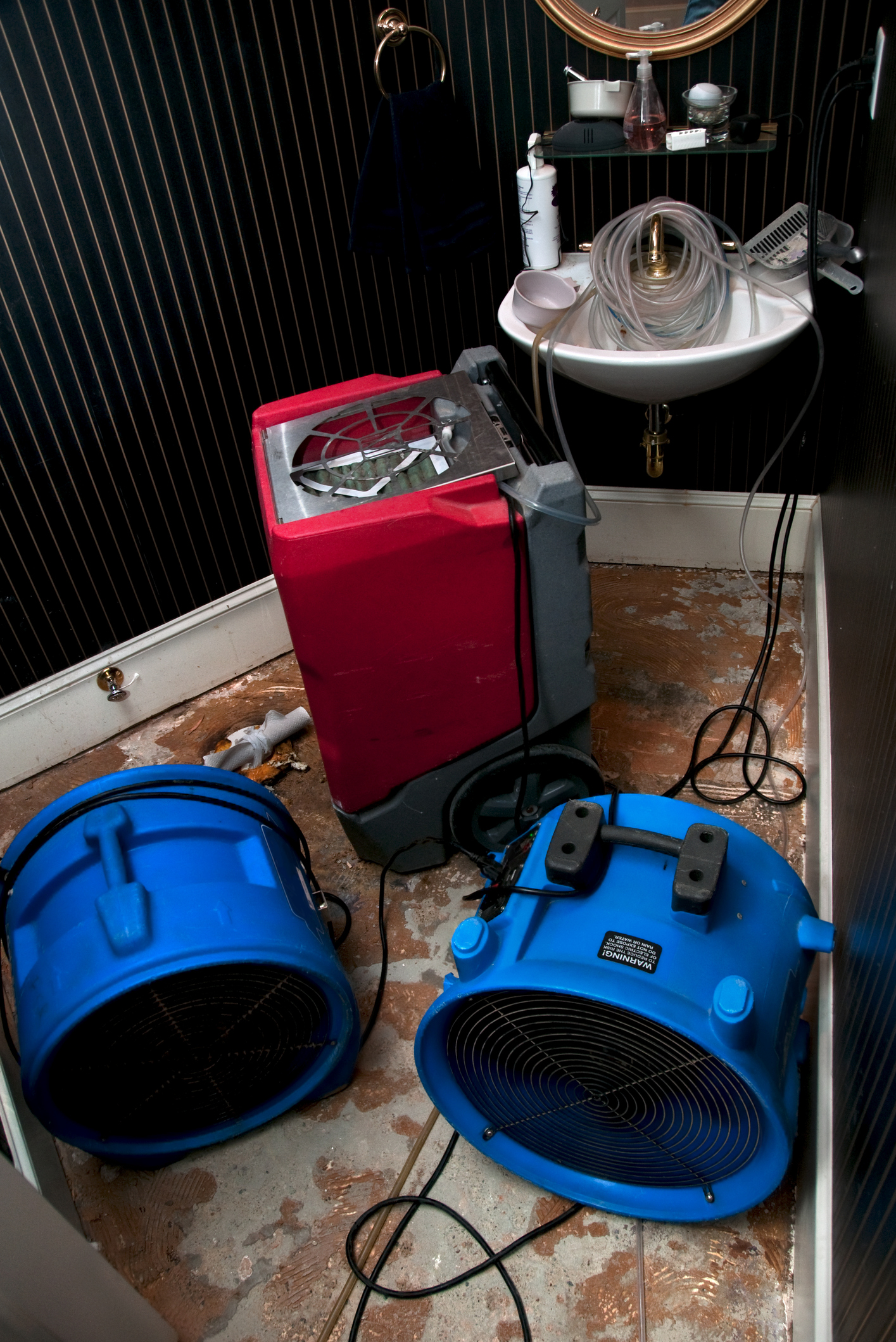
- Industrial drying and dehumidification reaching into wall cavities, under flooring, above ceiling assemblies, and through structural framing
- Structural repairs covering drywall replacement, flooring restoration, insulation removal and replacement, and framing repair where water has caused material compromise
- Professional odor elimination that neutralizes the source of the problem rather than masking it temporarily
- Mold prevention integrated into every job, with certified remediation available when active growth is already present upon arrival
- Content protection and pack-out services to keep your belongings safe and organized throughout the restoration process
- Final moisture clearance testing and inspection to confirm complete drying and safety before the job is officially closed
We do not consider a restoration finished because the equipment has been picked up. We consider it finished when the moisture readings confirm it and you have walked through the property and are satisfied with every detail.
Common Causes of Water Damage in Westland, MI
Westland's housing history and Michigan's seasonal demands create a consistent set of water damage scenarios that our team responds to regularly. Knowing what you are dealing with is the first step toward dealing with it correctly.
- Burst and frozen pipes during Michigan winters, a particular risk in Westland's older housing stock where pipes frequently run through exterior walls, unheated garages, and crawl spaces that were never properly insulated for modern winter conditions
- Basement flooding from heavy rain events and overwhelmed storm sewer systems, a recurring issue in areas where the municipal infrastructure has aged alongside the neighborhoods it serves
- Sewer backups that push contaminated water up through floor drains, laundry tubs, and basement fixtures, requiring not just water removal but thorough sanitization of every affected surface
- Appliance failures including aging water heaters, washing machines with deteriorating supply hoses, dishwashers with failing door seals, and refrigerator ice maker lines that develop slow leaks and go undetected for weeks or months
- Roof leaks from damaged shingles, gutters that have separated from the fascia, or ice dams that build up along roof edges during freeze and thaw cycles and force water beneath roofing materials and into attic spaces
- Foundation cracks and basement seepage driven by hydrostatic pressure when prolonged rain or snowmelt raises ground saturation levels and pushes water through aging foundation walls and floor joints
- HVAC-related water damage from clogged condensate drain lines, frozen evaporator coils, and poorly maintained systems that allow moisture to back up and overflow into surrounding building materials
- Fire suppression system discharges that release significant water volume throughout a structure in the aftermath of a fire, creating a water damage situation layered on top of an already complicated recovery
Regardless of the source, our team arrives ready to assess the full situation rather than just the most visible part of it.
Our Water Damage Restoration Process
Water damage restoration done correctly is a sequence, not a single action. Each step builds on the one before it, and cutting corners at any point in the process leaves problems behind that will surface again later. Our process is designed to get it right from the start.
 Immediate Assessment and Inspection
Before any equipment is placed, our technicians conduct a complete evaluation of the property using moisture meters, hygrometers, and thermal imaging cameras. This tells us where water has traveled, what materials have been affected, what category of water we are dealing with, and what the full scope of restoration looks like. We do not guess at the damage. We measure it.
 Water Extraction
High-powered extraction units remove standing water quickly, pulling moisture from carpet padding, hardwood seams, concrete, and other materials that hold water beyond the surface. Speed in this phase matters. The longer water remains in contact with building materials, the deeper it penetrates and the more extensive the restoration becomes.
 Drying and Dehumidification
Extraction removes the water you can see. Drying removes what stays behind. Industrial air movers and commercial dehumidifiers are positioned based on airflow modeling and moisture readings to maximize drying efficiency across every affected surface and cavity. We monitor moisture levels daily and adjust the equipment setup as conditions change throughout the drying period.
 Cleanup and Sanitization
When the water source involves flooding, sewer backups, or any contaminated water category, drying alone is not sufficient. We apply professional antimicrobial treatments to all affected surfaces to eliminate bacteria, pathogens, and other contaminants that create health risks for anyone in the building. Your property needs to be safe, not just dry.
 Damage Repair and Full Restoration
Once drying is confirmed and sanitization is complete, structural repairs begin. Damaged drywall is replaced, flooring is restored or reinstalled, insulation is removed and replaced where saturation has compromised it, and framing is repaired where structural integrity has been affected. We restore your property to its pre-loss condition, not a functional approximation of it.
 Final Walkthrough and Documentation
Every completed job ends with a full walkthrough alongside you. We review every area that was affected, confirm every repair meets the standard we committed to, and provide complete documentation of all work performed. That documentation supports your insurance claim and gives you a permanent record of the restoration for your property.