
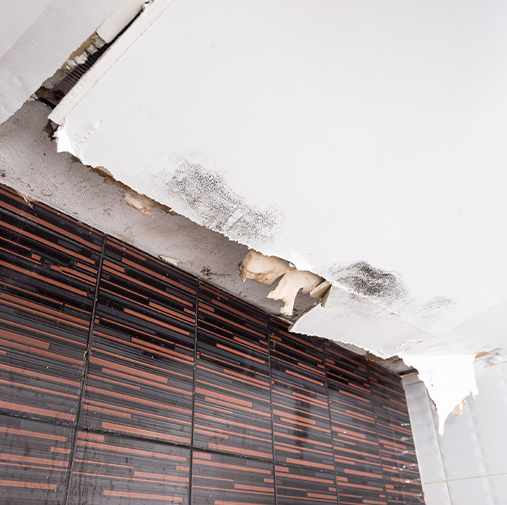
Water Damage Restoration Services We Provide in Taylor
Water rarely stays where it first appears. It moves through floor systems, travels along structural framing, saturates insulation, and finds its way into spaces that show no outward sign of a problem until the damage inside has been building for some time. A restoration approach that only addresses what is immediately visible is not a complete solution. It is a delay.
Before any drying equipment is placed, our technicians use thermal imaging cameras and calibrated moisture meters to map the full extent of water movement throughout your property. The restoration plan we develop from that assessment is built around everything the water touched, not just the areas that are obvious at first glance.
Our Taylor water restoration services cover:
- Emergency water extraction and full removal of standing water from every affected area
- Flood damage cleanup and complete property restoration at any scale
- Industrial drying and dehumidification targeting wall cavities, subfloor assemblies, ceiling systems, and structural framing
- Structural repairs including drywall replacement, flooring restoration, insulation removal and replacement, and framing repair where water has caused material damage
- Professional odor treatment that eliminates the source of the problem rather than masking it
- Mold prevention integrated into every job, with certified mold remediation available when active growth is found upon arrival
- Content protection and pack-out services to keep your belongings safe and accounted for during restoration
- Final moisture clearance testing and full property inspection before the job is closed
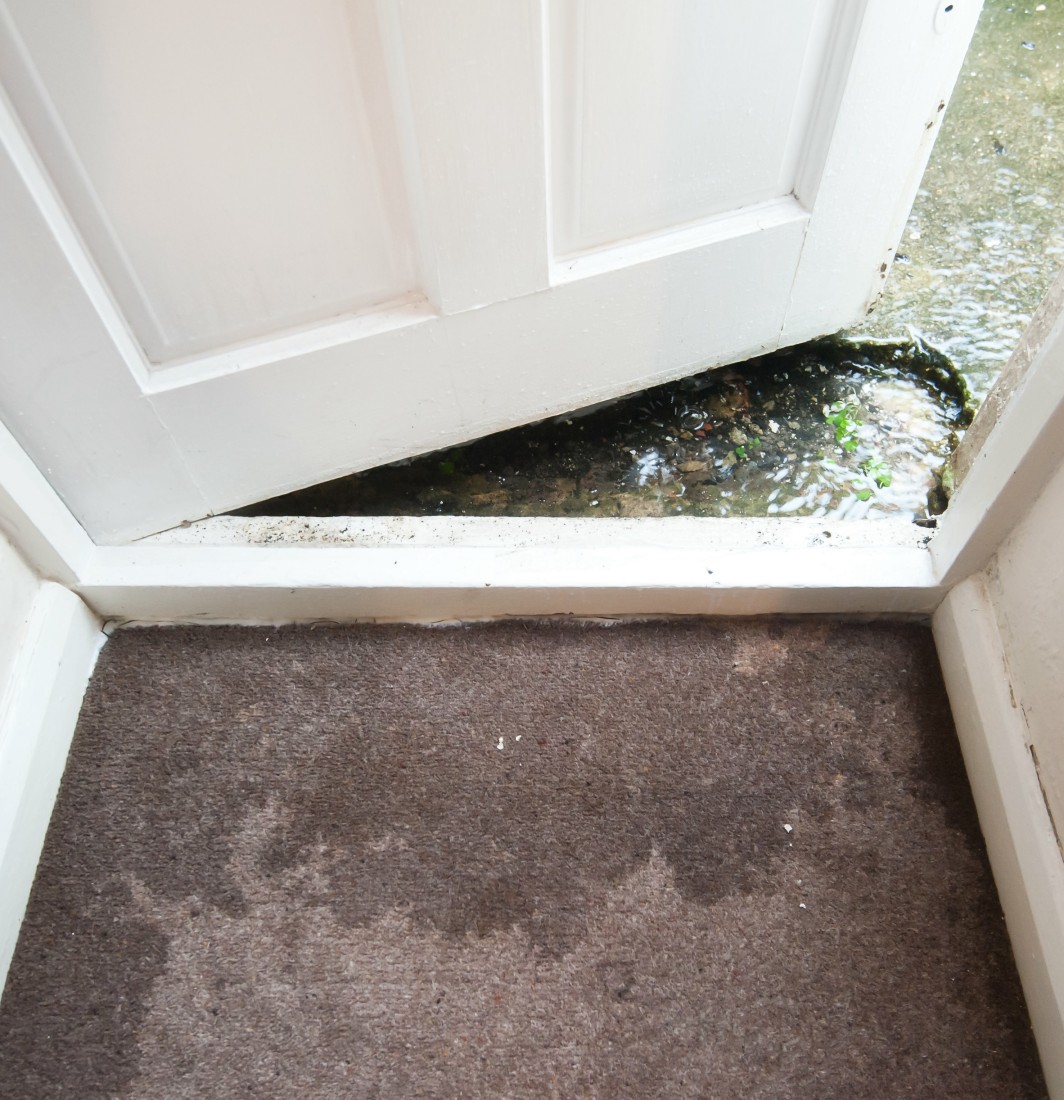
Why Taylor Properties Are Vulnerable to Water Damage
Taylor's housing history and Michigan's demanding seasonal conditions create a combination of water damage risks that our team works through on a consistent basis throughout the year:
- Frozen and burst pipes during Michigan winters, particularly in Taylor's older housing stock where supply lines run through uninsulated exterior walls, unheated crawl spaces, and garage areas that lack adequate protection against sustained cold temperatures
- Basement flooding driven by heavy rain events and municipal storm systems pushed past their capacity, an ongoing challenge in areas where aging drainage infrastructure struggles to keep up with high-volume precipitation
- Sewer backups that push contaminated water through floor drains, utility sinks, and basement fixtures, creating a situation that requires professional sanitization well beyond standard water removal
- Appliance failures from aging water heaters, deteriorating washing machine supply lines, worn dishwasher door seals, and refrigerator ice maker connections that develop slow leaks that go undetected for extended periods
- Roof damage from missing shingles, separated gutters, and ice dams that develop along roof edges during freeze and thaw cycles and force water beneath roofing materials into attic spaces and ceiling assemblies
- Foundation seepage from hydrostatic pressure during prolonged rain and snowmelt periods when saturated ground pushes water through cracks and joints in aging foundation walls and floor systems
- HVAC related water damage from blocked condensate lines, failing components, and ductwork issues that allow moisture to back up and overflow into surrounding building materials
- Fire suppression system discharges that release large volumes of water throughout a structure in the wake of a fire, adding a significant water damage component to an already complex recovery situation
Our Step by Step Approach to Water Damage Restoration
Proper water damage restoration follows a deliberate sequence where each phase depends on the one before it being completed correctly. Cutting steps short or moving too quickly through the process leaves moisture behind and turns a manageable restoration into a recurring problem.
 Thorough Assessment and Moisture Mapping
Every job begins with a complete property evaluation. Thermal imaging cameras, moisture meters, and hygrometers identify all areas where water has traveled, establish the contamination category of the water involved, and produce a full scope of work before any restoration equipment is introduced. We measure the actual extent of the damage rather than making assumptions based on what is visible.
 High Powered Water Extraction
Commercial extraction units remove standing water rapidly, pulling moisture from carpet padding, hardwood floor systems, concrete surfaces, and other materials where water accumulates beyond the surface level. The speed of this phase directly affects how deeply water penetrates into building materials and how complex the restoration becomes.
 Industrial Drying and Moisture Removal
Extraction removes the water that is present and accessible. Drying removes what remains embedded in the structure. Industrial air movers and commercial dehumidifiers are positioned based on airflow analysis and daily moisture readings to drive efficient drying through every affected material and cavity. This phase runs until moisture readings confirm complete drying throughout the structure.
 Sanitization and Contamination Management
When the water source involves sewage, external flooding, or any contaminated category, sanitization is a required part of the process, not an optional one. Professional antimicrobial treatments applied to all affected surfaces eliminate bacteria, pathogens, and biological hazards that persist after water removal and create ongoing health risks for building occupants.
 Full Structural Repair and Restoration
Once drying is confirmed and sanitization is complete, the repair phase returns your property to its pre-loss condition. Damaged drywall is replaced, flooring is restored or reinstalled, saturated insulation is removed and replaced, and structural framing is repaired where water has compromised its integrity. The finished result reflects the standard your property was at before the damage occurred.
 Closeout Inspection and Documentation
Before any job is considered complete, we conduct a full walkthrough with you covering every area that was affected and every repair that was made. Complete documentation of all work performed is provided at closeout, supporting your insurance claim and creating a permanent restoration record for your property.