Professional Mold Remediation in Taylor, Michigan
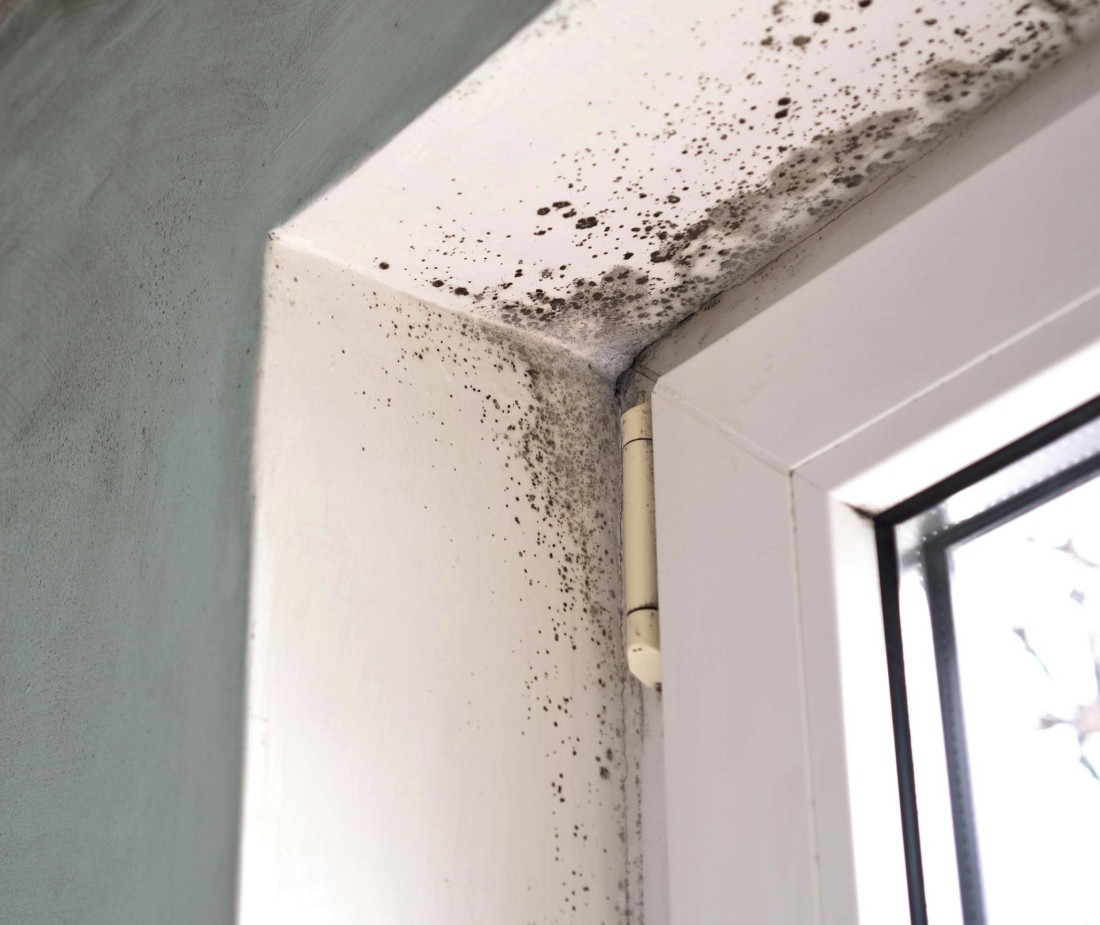
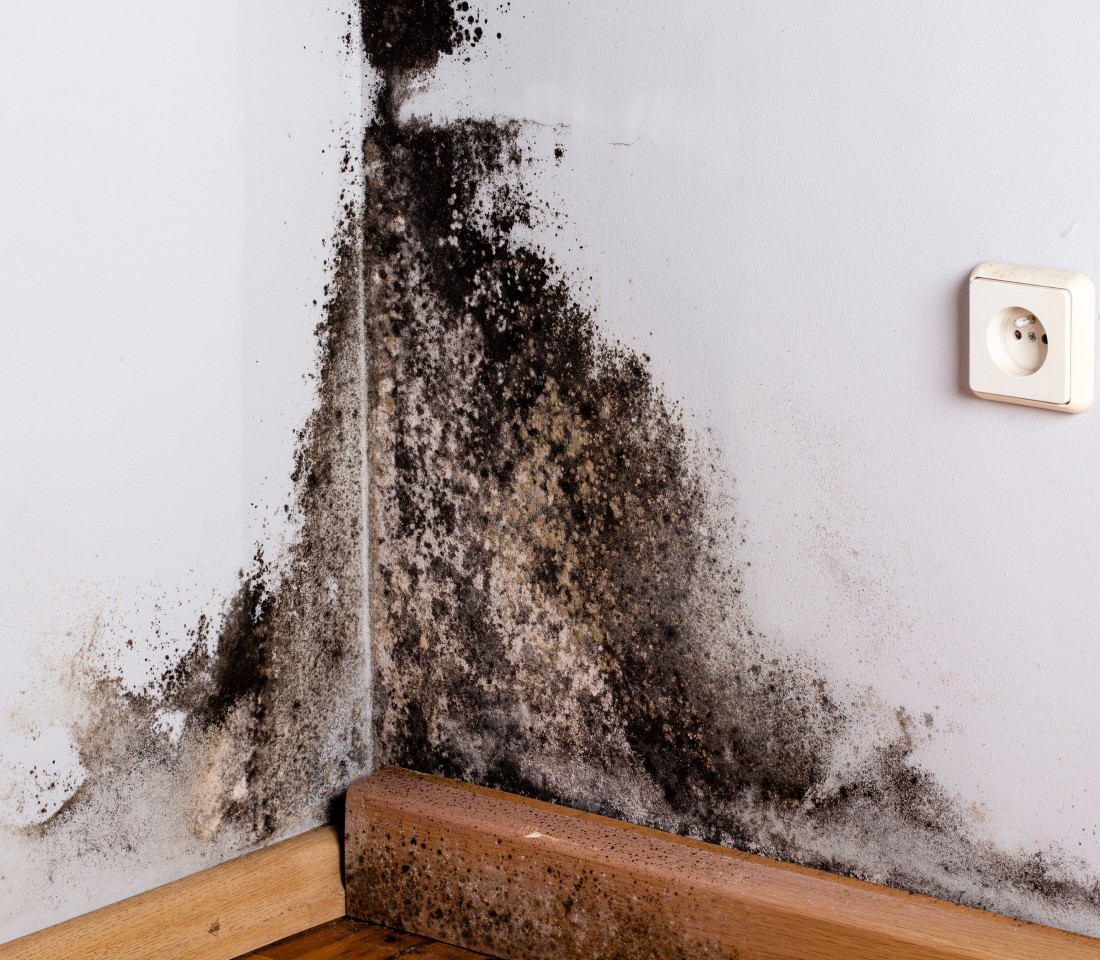
Finding mold in your home or business can be unsettling, especially when you do not know the full extent of the problem. Mold growth that appears limited to one surface may indicate a larger moisture issue behind the walls, beneath the flooring, or inside the ceiling.
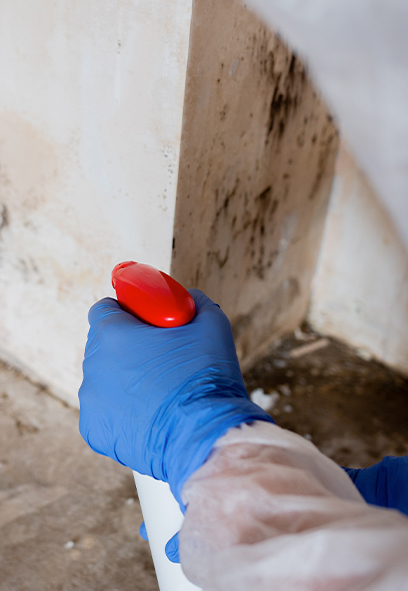
Our mold remediation process is designed to address both visible mold and the conditions allowing it to grow. We begin with an inspection of the affected area, determine the source of the moisture, establish containment, and develop a solution based on the type and extent of the damage.
Our mold restoration services include:
- Detailed mold inspection and damage assessment
- Moisture detection and moisture control
- Containment of affected areas
- HEPA air filtration and air scrubbing
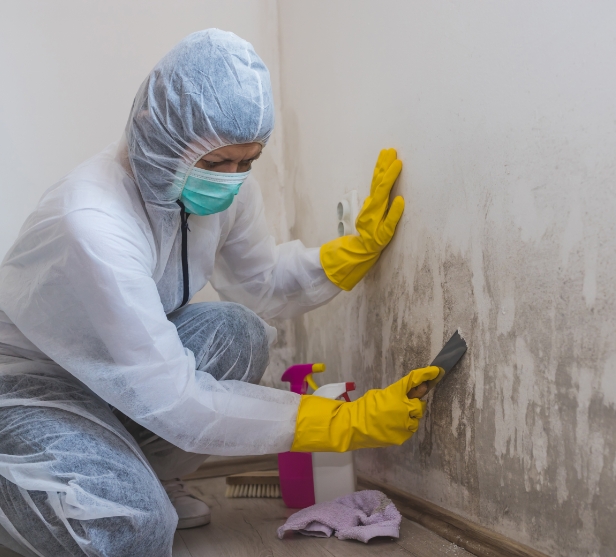
- Professional mold removal
- Removal of contaminated porous materials when required
- HEPA vacuuming and detailed cleaning
- Antimicrobial treatments
- Water damage restoration
- Repairs to affected walls, floors, and ceiling materials
- Prevention recommendations to reduce the chance of mold returning
Every property presents different conditions. Our goal is to provide a complete solution that protects the building, improves the indoor environment, and helps you return to normal as quickly as possible.
Signs You May Need a Mold Inspection
Mold is not always immediately visible. In many cases, the first indications of a problem are a musty odor, recurring moisture, discolored paint, or damage that appears after a leak.
Schedule a professional mold inspection if you notice:
- Black, green, white, or gray growth on a surface
- A persistent musty or damp odor
- Stains or discoloration on walls or ceilings
- Bubbling, peeling, or cracked paint
- Warped floors or damaged baseboards
- Recurring condensation on windows or pipes
- Recent flooding, plumbing failure, or roof damage
- Damp carpet or building materials
- Mold that appears to return after cleaning
- Coughing, wheezing, or irritation that appears worse in a particular area
These signs do not always define the full scope of the problem. Mold may be present behind drywall, beneath carpet, above ceiling tiles, or around leaking pipes. A professional assessment can determine whether the issue is limited to the visible area or has spread into surrounding materials.
Common Causes of Mold Growth in Taylor Properties
Mold needs moisture to grow. Even a small leak or a damp area with limited airflow can lead to mold problems when the source is not corrected.
Common causes include:
 Water Damage
Burst pipes, appliance leaks, basement flooding, and roof failures can saturate drywall, insulation, carpet, and wood. If water damage is not dried thoroughly, mold growth may begin within a short period.
 Plumbing and Roof Leaks
Slow leaks can remain hidden for weeks or months. Water may collect behind walls, beneath floors, or above the ceiling before visible damage appears.
 Excess Indoor Humidity
Basements, bathrooms, kitchens, laundry rooms, and other damp areas are especially vulnerable. Proper ventilation and moisture control play an important role in prevention.
 Condensation
 on windows, pipes, walls, and HVAC components can create enough moisture to support mold. This problem is common when humid air contacts cold surfaces.
 Poor Ventilation
Limited air circulation can allow moisture to remain trapped inside a room or enclosed area. Bathrooms without exhaust fans and improperly vented appliances are common problem locations.
 Incomplete Water Damage Cleanup
Removing standing water is only one part of the restoration process. Hidden moisture must also be detected and dried. A failure to address wet materials can lead to additional damage and recurring mold problems.