
The Scope of Water Damage Restoration Services We Bring to Plymouth
Water damage's most deceptive quality is how contained it can appear on the surface while spreading extensively through the structure underneath. A water event that looks like a localized problem in one room can involve saturated subfloor assemblies running beneath adjacent spaces, moisture wicking up wall cavities well above the visible waterline, and insulation that has absorbed water throughout an area far larger than anything visible suggests. Restoration that addresses only the surface is not restoration. It is the beginning of a longer and more expensive problem.
We begin every job in Plymouth by mapping the full extent of moisture movement through the property using thermal imaging cameras and professional grade moisture detection equipment. The scope of work that comes out of that assessment covers everything the water reached, not just the obvious areas, and that is the foundation every subsequent phase of the restoration is built on.
Our Plymouth water restoration services include:
- Emergency water extraction and complete removal of standing water from every area of the property affected
- Flood damage cleanup and full scale property restoration regardless of the size or complexity of the event
- Industrial drying and dehumidification that penetrates wall cavities, subfloor assemblies, ceiling systems, and structural framing throughout the affected areas
- Comprehensive structural repairs including drywall replacement, flooring restoration, insulation removal and replacement, and framing repair where water has caused material damage
- Professional odor elimination that treats and neutralizes the source rather than applying a surface level cover
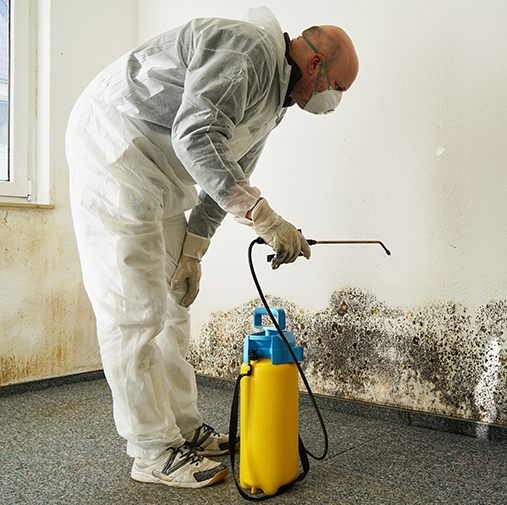
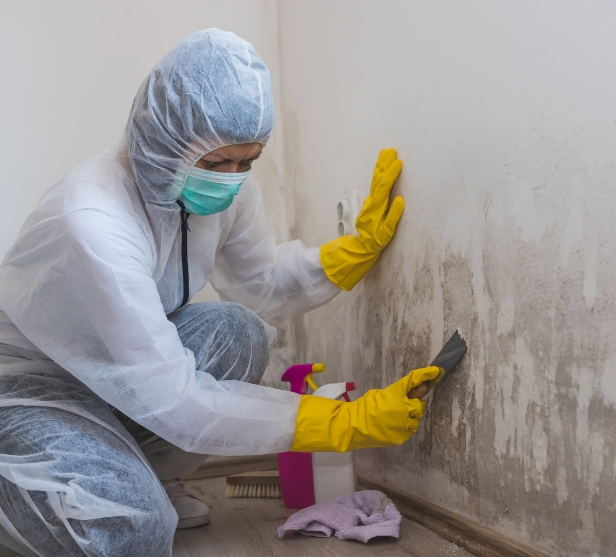
- Mold prevention integrated as a standard component of every job, with certified mold remediation available when active growth is present upon arrival
- Content protection and pack-out services to keep your belongings safely inventoried and stored throughout the restoration process
- Final moisture clearance testing and a thorough property inspection confirming complete restoration before the job is officially closed
Understanding Water Damage Risk in Plymouth, MI
Plymouth's combination of historic and newer construction, mature landscaping, and Michigan's year-round weather demands creates a consistent set of water damage vulnerabilities that our team works through regularly:
- Burst and frozen pipes during Michigan winters, a risk that runs across Plymouth's full range of housing stock from older homes with pipes routed through uninsulated exterior wall assemblies to newer construction with builder grade components in unheated garage and crawl space areas
- Basement flooding from intense rain events and storm sewer systems that exceed capacity during high volume precipitation, a particular concern in Plymouth's older neighborhoods where drainage infrastructure has aged alongside the homes it serves
- Sewer line backups that force contaminated water into lower levels through floor drains and plumbing fixtures, requiring thorough professional sanitization as part of the water removal and drying process
- Appliance related water damage from failing water heaters, aging washing machine supply lines, dishwashers with deteriorating seals, and refrigerator connections that develop gradual leaks that accumulate damage well before they are detected
- Roof system failures resulting from storm damage, ice dam formation along roof edges during freeze and thaw cycles, and gutters that have pulled away from the fascia and allowed water to migrate behind siding and into wall assemblies
- Foundation water intrusion from hydrostatic pressure during extended wet periods when saturated soil pushes water through foundation cracks, cold joints, and aging waterproofing that has lost its effectiveness over time
- HVAC system water damage from condensate line blockages, frozen evaporator coils, and system failures that allow moisture to overflow into surrounding structural materials
- Post-fire water damage from suppression system activations that introduce large water volumes throughout a structure on top of an already complex fire restoration situation
Our Approach to Restoring Plymouth Properties From the Ground Up
Restoration that lasts requires every phase to be completed thoroughly before the next one begins. We do not move through the process on a fixed schedule. We move through it based on what the data at each phase confirms.
 Moisture Mapping and Full Property Assessment
Our technicians typically conduct a complete evaluation of the property, before any equipment is introduced. Tools like Thermal imaging cameras help identify water that has migrated beyond visible boundaries and moisture meters establish baseline readings across all affected materials. The contamination category of the water involved is determined and a full documented scope of work is produced. We know exactly what we are dealing with before restoration begins.
 Rapid and Complete Water Extraction
Industrial extraction units remove standing water efficiently, drawing moisture from carpet systems, hardwood flooring, concrete, and other materials that hold water beyond the surface. The thoroughness and speed of extraction directly shapes how extensive the drying phase needs to be and how deeply water has penetrated structural materials.
 Deep Structural Drying and Dehumidification
The water that extraction cannot reach is addressed through industrial air movers and commercial dehumidifiers positioned based on airflow analysis and daily moisture readings. This phase runs continuously until readings at every monitored point confirm complete drying through all affected materials and assemblies, not just at the surface.
 Sanitization and Biological Hazard Elimination
Water damage involving sewage, external flooding, or other contaminated sources requires sanitization as a non-negotiable part of the process. Professional antimicrobial treatments applied to all affected surfaces eliminate bacteria, pathogens, and biological hazards that water removal alone does not address. The standard we hold ourselves to is a property that is safe for occupants, not just one that is dry.
 Complete Structural Repair and Restoration
Once drying is confirmed and all contamination has been addressed, structural repairs restore the property to its pre-loss condition. Drywall is replaced, flooring is restored or reinstalled to match the existing finish, insulation is removed and replaced where saturation has compromised it, and framing is repaired where structural integrity has been affected by water exposure.
 Documented Closeout and Final Walkthrough
The job is not finished until we have walked through every affected area with you, confirmed every repair meets the standard we committed to, and provided complete documentation of all work performed. That documentation supports your insurance claim and creates a permanent restoration record for your property.