Eliminate Mold and Safeguard Your Property
Comprehensive Mold Inspection
Every successful remediation project begins with a thorough mold inspection. Our team checks for visible mold, hidden moisture, water damage, musty odors, and other indications of a problem. When testing is appropriate, samples may be collected to help determine the type and presence of mold.
Professional Mold Removal
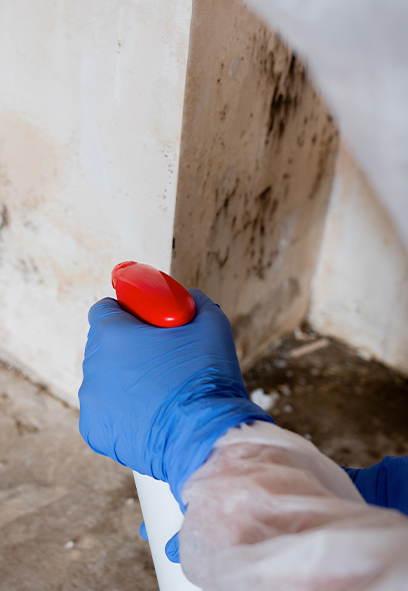
Mold removal involves more than wiping down a contaminated surface. We isolate the affected area, remove materials that cannot be safely treated, and clean remaining surfaces using professional equipment and established restoration methods.
Antimicrobial Treatments
Antimicrobial treatments may be applied to appropriate surfaces after damaged materials have been removed and the area has been cleaned. These treatments support the remediation process and help address remaining microbial activity.
Moisture Control and Prevention
Mold problems will generally return if the moisture source is not corrected. We identify plumbing leaks, roof problems, condensation, drainage issues, high humidity, and other conditions that may lead to recurring growth. Effective moisture control is essential for long term mold prevention.
Why Professional Mold Remediation Is Important
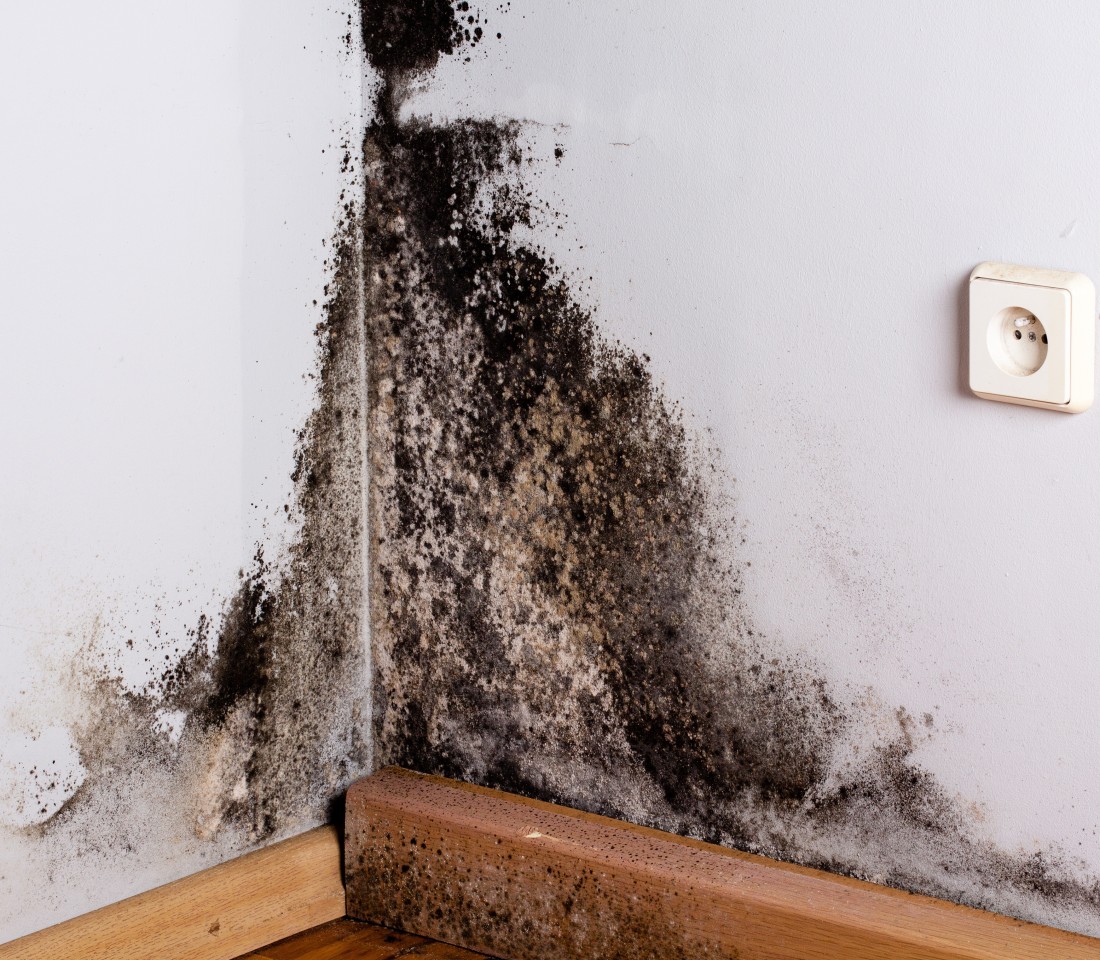
Mold is not simply a cosmetic issue that can be covered with new paint. Visible spots may only represent a limited part of a larger problem concealed behind walls, under floors, above a ceiling, or within insulation. Painting over the affected surface does not address the underlying moisture or remove contaminated materials.
Mold growth may damage drywall, wood, flooring, ceiling materials, and personal belongings. If the source remains damp, the mold can continue to spread and lead to more significant restoration costs. The longer the issue is ignored, the greater the extent of the damage may become.
Exposure can also affect people differently. According to information provided by the EPA, mold may cause allergic reactions and irritation in some individuals. Coughing and wheezing may be indications of exposure, particularly for people with asthma, allergies, or other respiratory sensitivities. The EPA recommends addressing moisture problems because moisture control plays an important role in controlling indoor mold.
Professional remediation helps contain the affected area, limit the movement of airborne spores, address damaged materials, and correct the conditions supporting the problem. The goal is to restore a cleaner indoor environment while protecting the property from additional damage.
Common Causes of Mold in Detroit Properties
Mold can develop in almost any home or business when moisture and organic materials are present. Some of the most common sources include:
- Water damage from burst or leaking pipes
- Roof leaks that affect an attic, wall, or ceiling
- Flooding and sewer backups
- Foundation seepage and damp basements
- Appliance or water heater failures
- Poor bathroom or kitchen ventilation
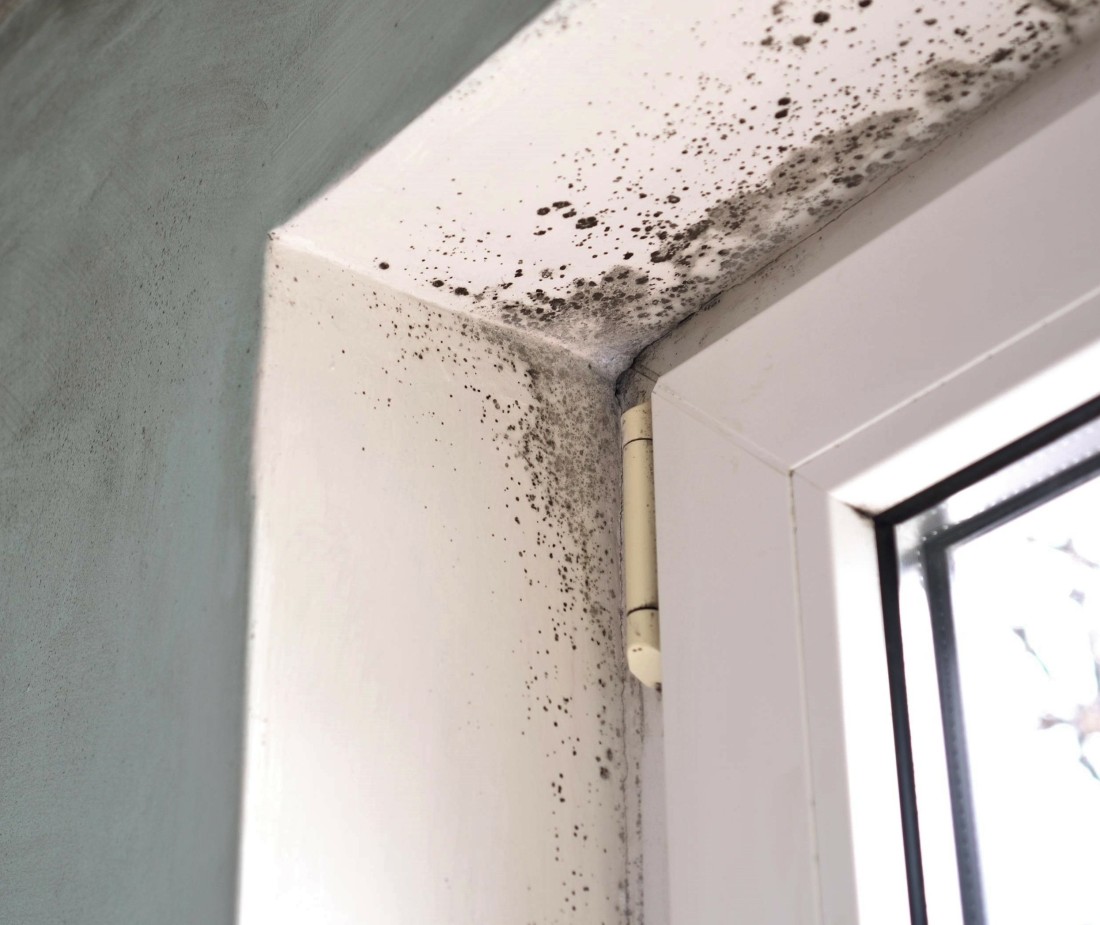
- Condensation around windows, pipes, or air ducts
- High indoor humidity
- Incomplete structural drying after water damage
- HVAC or drainage system problems
Detroit properties may experience moisture problems during every season. Heavy rain can expose foundation or roof vulnerabilities, while frozen pipes and ice related failures may cause hidden water damage during colder months. Humid conditions can also keep basements, bathrooms, and poorly ventilated rooms damp.
Prompt water extraction, structural drying, and moisture control can reduce the likelihood of mold growth. If water damage is already present, contacting a restoration professional quickly can help limit the affected area and reduce overall costs.
Signs You May Need a Mold Inspection
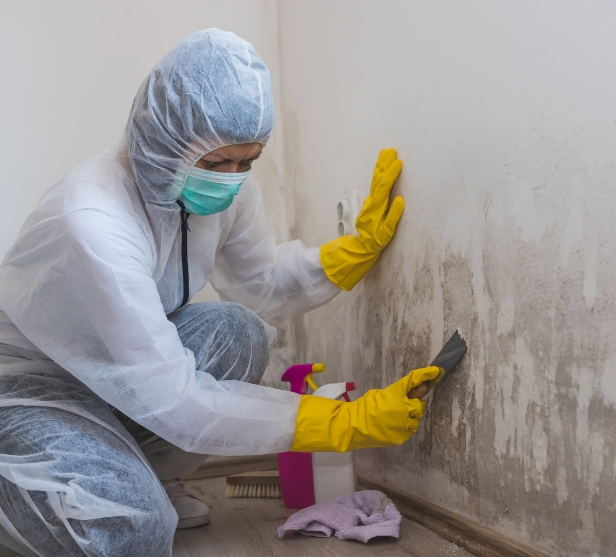
Mold is sometimes easy to recognize, but it may also develop in concealed areas. Contacting a professional for an inspection is important if you notice:
- Black, green, white, or gray growth on building materials
- A musty or earthy odor
- Stains or discoloration on walls and ceilings
- Peeling or bubbling paint
- Warped flooring or soft drywall
- Persistent condensation
- Damp areas that do not dry
- Recent flooding or plumbing failure
- Unexplained coughing, wheezing, or irritation that appears worse in a particular area
- Mold that returns after repeated cleaning
A visual check can reveal obvious mold problems, but it cannot always determine what is happening inside wall cavities, under floors, or above a ceiling. Moisture meters, air filtration equipment, and other professional tools help our team evaluate the property more thoroughly.
Not every situation requires the same type of mold test. Testing may be useful when growth is not visible, the source is uncertain, or verification is required for a specific project. Our team can discuss whether a test is appropriate based on the conditions present.
Our Detroit Mold Remediation Process
Every property is different, so MJ White develops a custom plan based on the type of building, the source of moisture, and the extent of the damage.
1. Inspection and Assessment
We begin by inspecting the property and discussing recent leaks, flooding, humidity, or water damage. Our team evaluates the affected area, checks nearby materials, and determines whether additional testing is required.
2. Identify the Moisture Source
Successful remediation depends on stopping the source of moisture. We look for leaks, drainage problems, condensation, ventilation issues, or a building system failure that may have allowed mold to develop.
3. Establish Containment
Containment helps limit the spread of mold spores and debris during removal. The exact containment process is based on the size, location, and severity of the affected area.
4. Air Filtration
Professional air filtration equipment may be used to capture airborne particles while work is performed. This step helps manage air quality and prevents disturbed material from moving into unaffected areas.
5. Remove and Treat Affected Materials
Porous materials with severe contamination may need to be removed. Other surfaces may be cleaned and treated with appropriate antimicrobial treatments. We determine what can be restored and what must be replaced based on its condition.
6. Drying and Moisture Control
The affected area must be thoroughly dried. We monitor moisture levels in walls, floors, ceilings, and structural materials to confirm that damp conditions have been addressed.
7. Restoration
Once remediation is complete, damaged areas may require repairs. As a full service restoration and renovation company, MJ White can coordinate the work needed to return your property to its pre loss condition.