
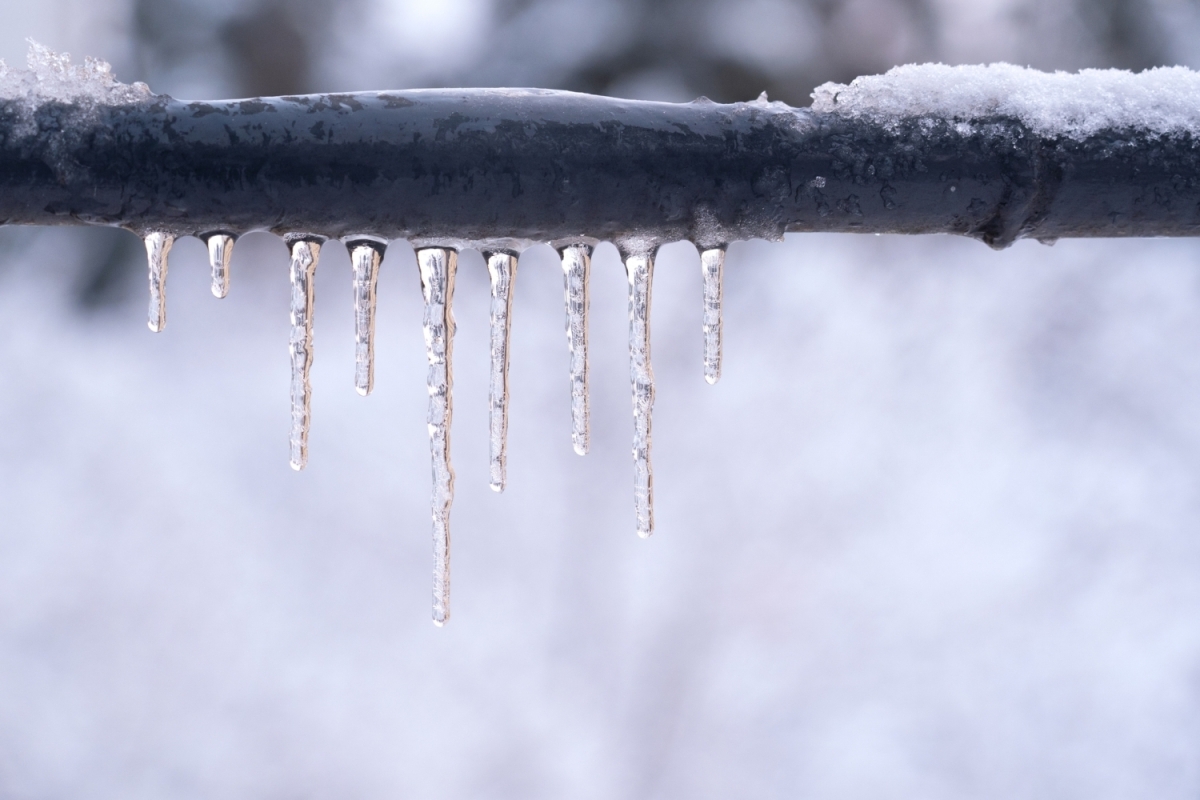
Breaking the Ice: How to Handle Frozen Pipes
calendar_month
December 31, 2025
folder
Michigan winters are harsh, and while heavy snowfall and freezing temperatures are expected, homeowners often overlook one of the season's biggest risks—frozen pipes. When temperatures drop too low, water inside the pipes can freeze, creating blockages that restrict water flow and build pressure. In severe cases, that pressure can cause pipes to burst, leading to significant water damage and expensive repairs.
Preventing frozen pipes should be a priority before winter arrives, but freezing can still happen even with precautions in place. Knowing how to safely thaw pipes and when to bring in a professional helps homeowners respond quickly and reduce the risk of long-term damage. In this blog, we'll cover how to prevent frozen pipes, what to do if they freeze, and when it's time to call in expert help.
Preventing Frozen Pipes Before Winter Strikes
Insulate Pipes for Maximum Protection
One of the most effective ways to prevent frozen pipes is to insulate exposed or vulnerable sections of plumbing.
Pipes located in unheated areas such as basements, attics, garages, and crawl spaces are at the highest risk of freezing. Insulating pipes in spaces like these with foam pipe sleeves, heat tape, or other insulation helps retain heat and reduces the likelihood of freezing.
Homeowners should pay particular attention to pipes running along exterior walls, as these are often the first to freeze in extreme temperatures. Heat cables can also be used for extra protection, especially in areas prone to sudden temperature drops.
Taking these steps before winter arrives ensures that pipes stay protected and significantly lowers the risk of freezing.
Keep Water Moving to Prevent Freezing
Still water is more likely to freeze than moving water, so keeping a slow trickle of water running through your faucets can prevent ice blockages inside the pipes. On particularly cold nights, allowing both hot and cold taps to drip slightly relieves pressure in the pipes and keeps water flowing, making it harder for ice to form.
Another simple yet effective measure is to open cabinet doors under sinks, particularly in kitchens and bathrooms. This allows warm air from the home to circulate around the pipes, preventing cold spots. For homes with plumbing running through exterior walls, placing a space heater near the pipes or increasing indoor temperatures slightly at night can help prevent freezing in vulnerable areas.
Seal Drafts & Cold Spots Around Pipes
Drafty areas in the home can expose pipes to dangerously cold temperatures, increasing the risk of freezing. Sealing gaps and cracks around windows, doors, and foundation walls helps prevent cold air from reaching the pipes. Using weatherstripping, caulk, or spray foam insulation to seal off these areas can make a significant difference in maintaining a stable indoor temperature.
In basements and crawl spaces, installing insulation along walls or adding extra heat sources can further protect pipes from freezing. Homeowners should also check for unsealed entry points where pipes pass through walls or floors and use foam insulation or sealant to close off gaps. Properly insulating and sealing cold spots prevents drafts from reaching plumbing and helps maintain a warmer, more stable environment for pipes throughout winter.
What to Do If Your Pipes Freeze
Step 1: Find the Frozen Pipes
When pipes freeze, the first sign is often reduced or completely stopped water flow from faucets. If turning on a tap only produces a small trickle or no water at all, a section of the pipe is likely frozen.
Visible frost on exposed pipes, unusual smells from drains, or bulging pipes are also indicators of freezing. To locate the frozen section, homeowners should start by checking pipes in unheated or drafty areas, like along exterior walls, or in crawl spaces, garages, and basements. If pipes inside cabinets or near windows appear frosty or unusually cold, they may be the source of the problem. Identifying the affected area is the first step in determining how to safely thaw the pipes before damage occurs.
Step 2: Safely Thaw Frozen Pipes
Once a frozen pipe is located, thawing it safely is essential to prevent it from bursting. Homeowners should start by turning on the affected faucet—keeping the tap open allows water to flow once the ice begins melting, which helps relieve pressure inside the pipe.
Using a safe heat source, such as a hairdryer, heating pad, or space heater, can gently warm the frozen section of the pipe. Wrapping the pipe with warm towels or applying warm, not boiling, water can also speed up the thawing process. It's important to gradually warm the pipe from the faucet end toward the frozen section to prevent sudden pressure changes that could cause a burst.
Under no circumstances should homeowners use open flames, like a torch, to thaw pipes. Extreme heat can damage the pipe material, increasing the risk of rupture or fire hazards. If pipes remain frozen despite heating efforts, professional assistance may be needed.
Step 3: Call a Professional
While some frozen pipes can be thawed safely at home, others require professional attention, especially if the freezing has caused cracks, leaks, or bursts. If a pipe has already burst, shutting off the main water supply immediately is critical to minimizing water damage. In these cases, calling an emergency water damage restoration expert, like MJ White, ensures that repairs are handled efficiently and effectively.
Professional intervention is also recommended if the frozen section of the pipe is inaccessible, if homeowners are unsure of the extent of the damage, or if repeated freezing has occurred. MJ White specializes in handling frozen pipes, burst pipe repairs, and water damage restoration, ensuring that homes are protected against the long-term effects of winter plumbing issues.
Protect Your Home This Winter with MJ White
Taking proactive steps to prevent frozen pipes can save homeowners from costly repairs and water damage. Insulating exposed pipes, keeping water flowing, and sealing off cold drafts are simple but effective measures to safeguard plumbing systems.
However, when freezing does occur, knowing how to respond quickly and when to call for professional help can make all the difference.
Trusted Cold Weather Damage Experts in Michigan
Michigan's harsh winters can be tough on homes, but MJ White is here to help. With years of experience in handling winter-related damage, from frozen pipes to water restoration, we provide fast and reliable solutions to keep your home protected.
Whether you need preventive maintenance or emergency repairs, our team is ready to assist. Contact MJ White online or call us at 888-992-4404 today for expert assistance in keeping your plumbing safe this winter.